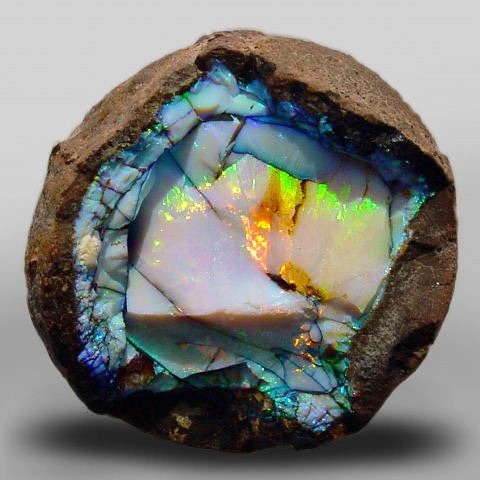
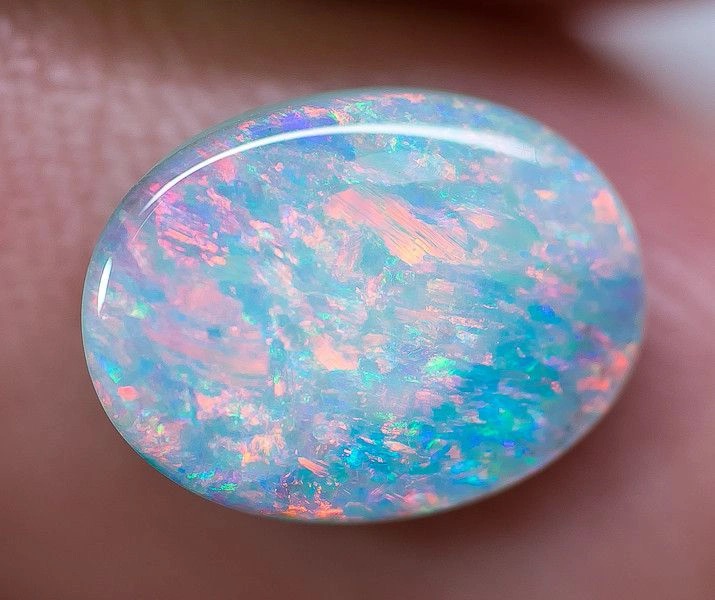
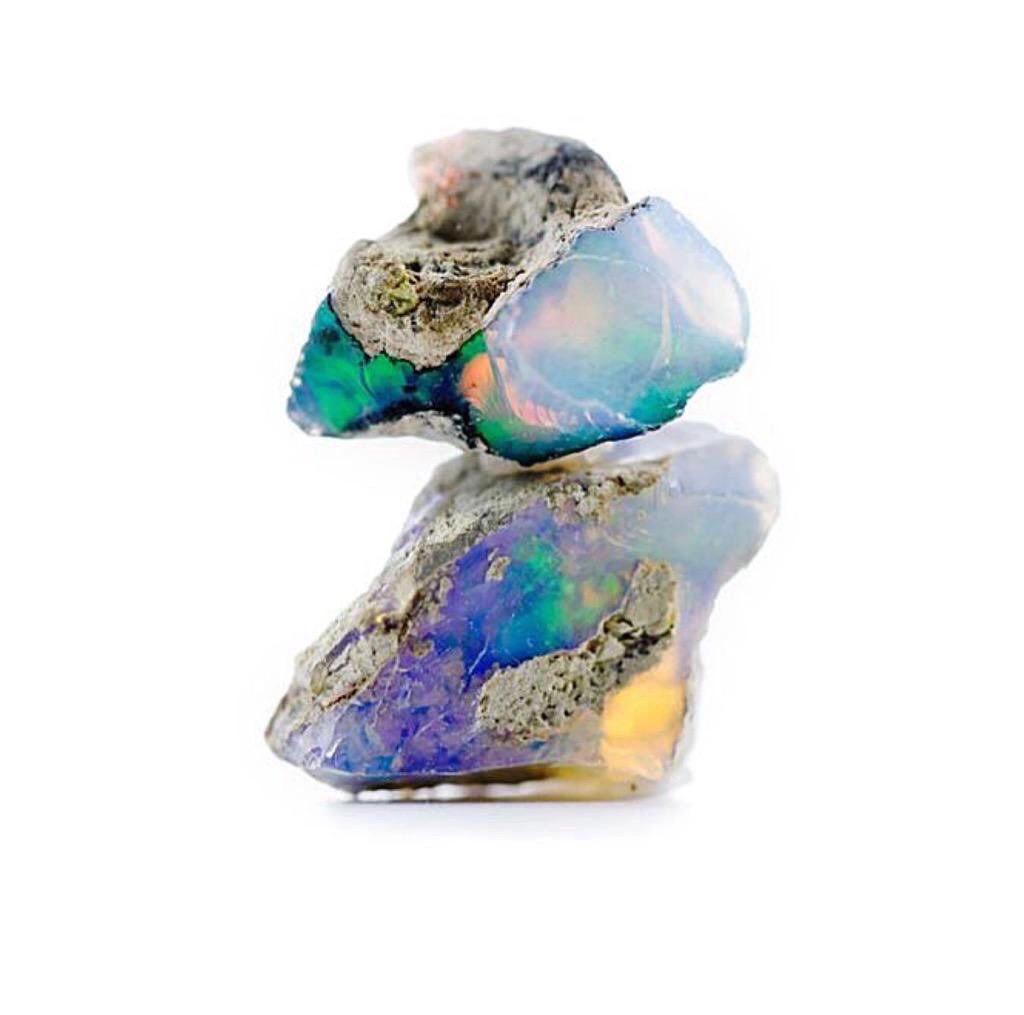
✨Opal is primarily composed of silicon dioxide (SiO2) and contains water molecules within its structure. The mesmerizing color-changing effect of opal is due to the size and arrangement of tiny silica spheres within the gemstone. Larger spheres create longer wavelengths of light, producing red and orange flashes, while smaller spheres produce shorter wavelengths, resulting in green and blue flashes. This unique feature gives opal its distinctive play of color, making it one of the most enchanting gemstones.
Crystal - Opal
The Science Behind Opal's Color-Changing Effect
🔮Opal’s color-changing phenomenon is a complex and fascinating optical process. When light enters the gemstone, it undergoes diffraction and interference, causing the light rays to break into different colors. These colors reflect off the opal’s surface at various angles, creating a shifting spectrum of hues. The intensity and variety of this effect can vary, ranging from subtle to vibrant, and may include a spectrum of colors such as red, orange, yellow, green, blue, and purple. The pattern of color change can also differ between opals, appearing as spots, stripes, or markings, making each opal a truly unique gemstone.
Crystal - Opal
Opal in Jewelry and Art
🔮Opal is a popular choice for jewelry and is often featured in rings, earrings, necklaces, and pendants. Its captivating color-changing effect and wide range of colors make it highly sought after by gemstone enthusiasts. Beyond jewelry, opal is also used in artistic creations such as sculptures, reliefs, and mosaic paintings. The gemstone’s distinctive appearance and dynamic color shifts make it a favored material for artistic expression, adding a touch of natural beauty to creative works.