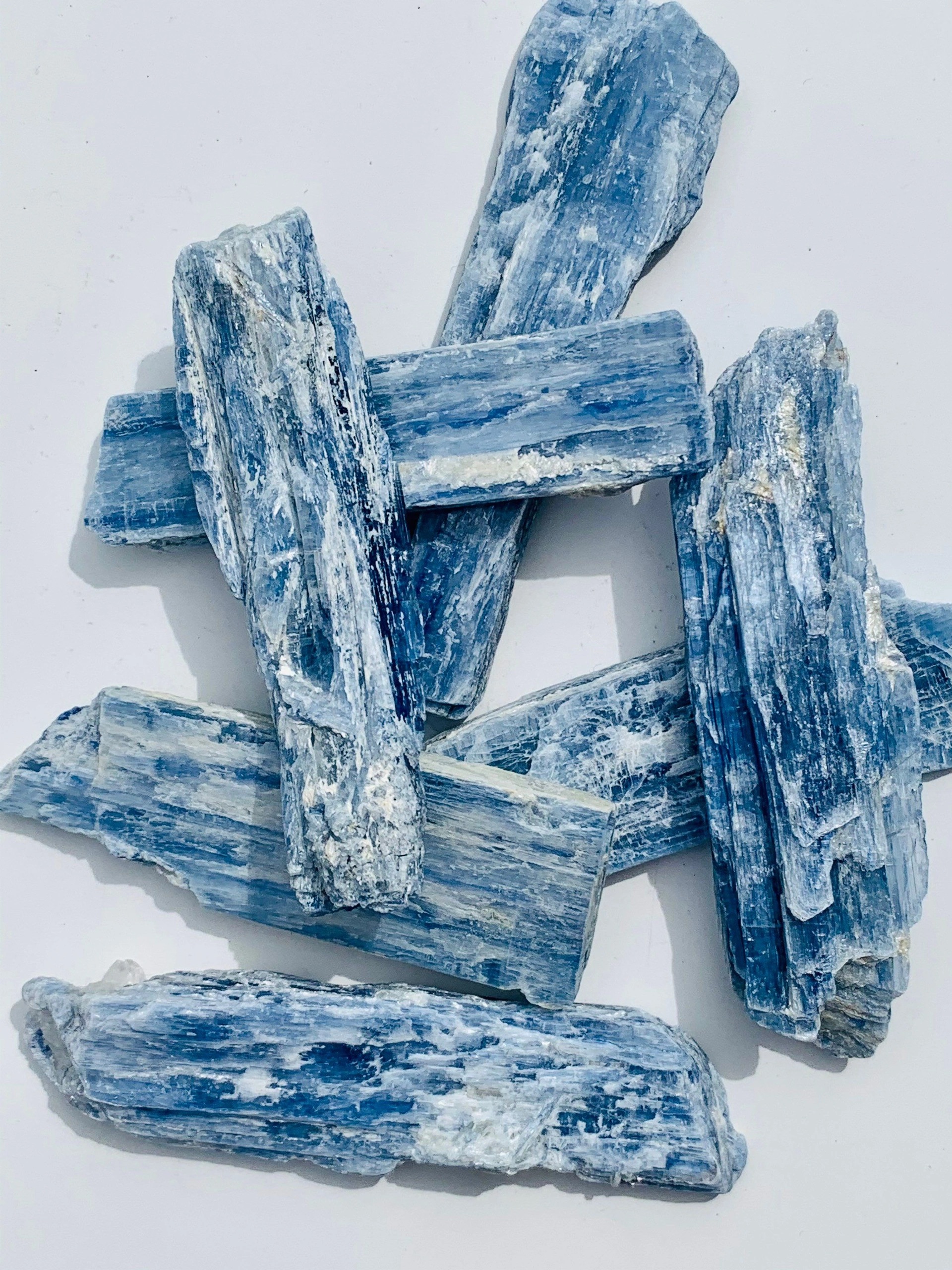
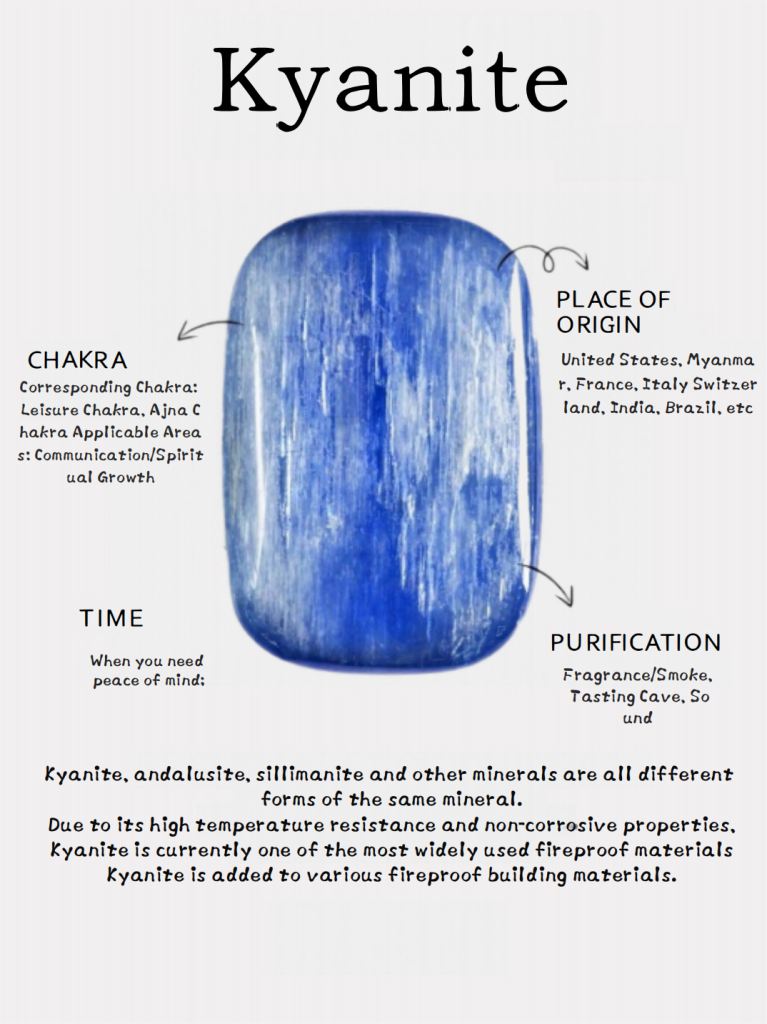
✨Kyanite derives its name from the Greek word “kyanos,” meaning “blue.” In China, it is also known as “two hard stones” due to its unique characteristic: kyanite is composed of blue crystals with multiple layers, where the hardness varies depending on the direction of the crystal. The difference in hardness between the cleavage plane and the perpendicular direction gives this gemstone its distinctive name.
Crystal - Kyanite
Kyanite's Industrial and Geological Significance
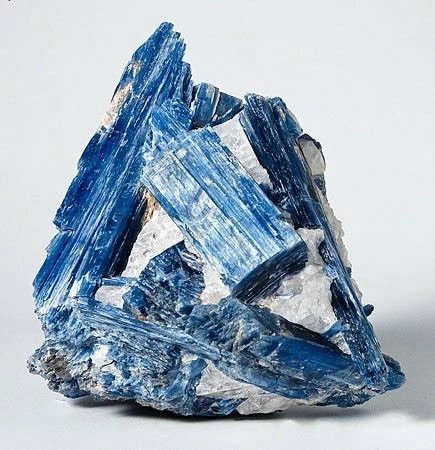
🔮Kyanite is a high-alumina mineral and a relatively new type of refractory material known for its strong resistance to chemical corrosion, high thermal shock mechanical strength, and irreversible thermal expansion. These properties make it an essential raw material in producing various industrial products, such as amorphous materials, electric furnace top bricks, phosphate unfired bricks, mullite bricks, and low creep bricks. Geologically, kyanite is a metamorphic mineral, typically found in regional metamorphic crystalline schist. Its formation spans from greenschist facies to amphibolite facies. Kyanite belongs to the triclinic crystal system and usually appears as flattened columnar crystals with parallel streaks on the crystal surface, displaying colors ranging from light blue to cyan and bright gray-white.
Crystal - Kyanite
The Challenges and Appeal of Kyanite in Jewelry
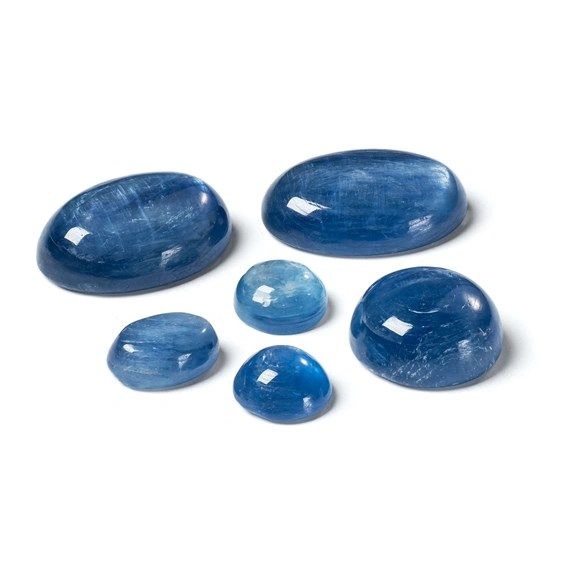
🔮Due to its well-developed cleavage and tendency to fracture easily, kyanite is challenging to carve into jewelry. However, its striking color and unique texture make it a favorite among collectors who are drawn to the beauty of blue minerals. Despite its fragility, kyanite continues to be admired for its natural elegance and the distinct charm it brings to mineral collections.